


Singapore has always been a city where flavors collide — a meeting point of tradition, migration, and innovation. Walk through its bustling streets and the scent of sizzling satay, steaming laksa, and smoky wok hei fills the air. Yet beyond the hawker centers and family-run stalls, a new generation of chefs is reimagining these familiar favorites. Their mission isn’t to replace the old but to refine, reinterpret, and celebrate them — giving rise to one of the most dynamic Asian dining experiences shaping modern gastronomy today.
At the heart of this movement is a deep respect for roots. These chefs understand that food memory is powerful — that the flavors of one’s childhood can carry cultural identity and nostalgia in every bite. From chili crab reimagined as a delicate ravioli to kaya toast transformed into a dessert of coconut foam and pandan sponge, their work turns the everyday into extraordinary without losing its emotional essence. This balance between innovation and authenticity captures the spirit of culinary travel in Asia, where creativity meets comfort in every dish.
Singapore’s culinary landscape reflects the broader restaurant trends in Asia, where fine dining techniques are being used to tell deeply local stories. Many chefs begin by tracing their family recipes or revisiting neighborhood hawkers who shaped their early palate. Through their craft, they honor the unspoken artistry of street vendors — the mastery of timing, texture, and heat control that defines local gastronomy across the region.
In sleek modern spaces or minimalist chef’s tables, the experience still feels human and heartfelt. A reinterpreted Hainanese chicken rice may come plated with microgreens and rice espuma, but the soul remains unmistakably Singaporean. The same goes for laksa reductions served alongside handmade noodles or char kway teow redefined with truffle and duck egg. Each dish tells a story — one of memory, migration, and meticulous food storytelling that bridges heritage and innovation.
These reinterpretations have also drawn travelers seeking travel and dining inspiration. Culinary tourists arrive not just for taste, but for the story behind the plate — the narrative of how a hawker dish becomes haute cuisine while still speaking to the heart of the culture. FoodParadise.Network celebrates this evolution, spotlighting chefs who prove that innovation is not rebellion, but reverence in another form.
Interestingly, while the focus here is Singapore, this movement mirrors what’s happening across Asia. In Bali, for instance, Bali café culture follows a similar path — blending local ingredients and storytelling into café menus that honor both heritage and design. The parallels between a Seminyak brunch infused with tropical flavors and a Singaporean tasting menu inspired by street eats show how Asian dining experiences continue to evolve, interconnected by creativity and a sense of place.
What truly distinguishes Singapore’s approach is precision. The island nation’s obsession with quality and consistency extends naturally to food. Whether it’s a hawker stall perfecting one dish for decades or a Michelin-starred kitchen refining plating to an art form, both share the same dedication to flavor and integrity. This meticulousness fuels restaurant trends in Asia, where chefs from across the region learn from Singapore’s ability to balance innovation and identity.
Modern diners today crave more than presentation — they crave purpose. Singapore’s new culinary wave delivers that, fusing sustainability, storytelling, and craftsmanship. Ingredients are locally sourced where possible, highlighting regional diversity and reducing waste. Chefs collaborate with spice growers from Indonesia, rice farmers from Malaysia, or cocoa producers from Bali, weaving together a network of regional cooperation that defines contemporary culinary travel in Asia.
It’s this interconnectedness that makes Singapore such a compelling chapter in the evolving story of Asian cuisine. Here, food is no longer just nourishment — it’s narrative, art, and identity combined. And for travelers who seek authenticity wrapped in creativity, these reimagined dishes offer a window into a culture that never stands still.
Just as Bali’s cafés have redefined how travelers experience community and design, Singapore’s chefs redefine how we experience memory and meaning. Together, they form a mosaic of travel and dining inspiration that continues to influence global palates. Both destinations remind us that food is not only something we consume, but something we feel — an emotion that lingers long after the last bite.
Ultimately, the creativity seen in Singapore’s kitchens isn’t about chasing trends or fame. It’s about preserving legacy through evolution. Each modern interpretation of a hawker dish becomes a love letter to the past, written in the language of the present. It is here, between nostalgia and innovation, that Asia’s culinary soul continues to shine brightest.
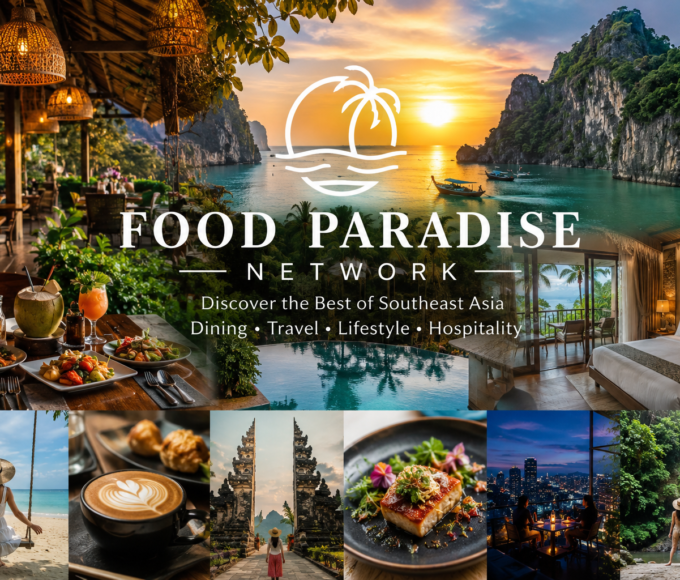
For more stories celebrating the intersection of flavor, culture, and creativity across the region, explore FoodParadise.Network — your home for food storytelling, regional discoveries, and the best Asian dining experiences that inspire travelers and food lovers worldwide.

Leave a comment