


Few cities in the world embody the pulse of Asian dining experiences like Hong Kong. Every corner of this city hums with energy — from steaming dim sum trolleys to minimalist fine dining rooms perched high above Victoria Harbour. Food here isn’t just sustenance; it’s identity, performance, and evolution. The way Hong Kong chefs, diners, and restaurateurs approach gastronomy has made the city a living reference point for restaurant trends in Asia and beyond.
Hong Kong’s culinary scene has always been defined by its ability to balance heritage and reinvention. This is a city built on stories — of migration, trade, and transformation — and that layered history has shaped a cuisine that’s endlessly adaptable. The strength of its food culture lies not just in technique but in emotion: how memories of home, travel, and change are translated into dishes that speak both to the past and the present. This is where food storytelling comes alive, inspiring chefs across the world to merge authenticity with artistry.
A bowl of wonton noodles in Central tells as much about Hong Kong’s resilience as a 12-course tasting menu in Tsim Sha Tsui. Both express the same dedication to detail and respect for balance. This duality — high and humble, traditional and experimental — has become a defining trait of Hong Kong’s identity in culinary travel in Asia. Travelers seeking travel and dining inspiration often find themselves drawn to this contrast: the joy of late-night congee shops one evening, followed by boundary-pushing gastronomy the next.
In recent years, Hong Kong’s chefs have also led the way in rethinking what local flavor means in a globalized world. They source ingredients from nearby farms, reinterpret Cantonese classics with seasonal twists, and collaborate across cultures, all while honoring the heart of local gastronomy. This evolution mirrors movements seen in other destinations like Bali or Singapore, where chefs reinterpret regional traditions for modern audiences. It’s part of a larger dialogue shaping restaurant trends in Asia, where sustainability, storytelling, and emotional connection are becoming as important as flavor itself.
The influence of Hong Kong extends far beyond its borders. Many of the world’s leading restaurants and café concepts trace their inspiration to this city’s rhythm — its pace, precision, and playfulness. The meticulous craftsmanship behind a bowl of hand-pulled noodles, the elegance of tea culture, and the communal warmth of dim sum have become cornerstones for chefs and restaurateurs pursuing meaningful Asian dining experiences. Even in the heart of Bali café culture, echoes of Hong Kong’s finesse can be found in how cafés combine comfort with creativity, translating heritage into something fresh and globally appealing.
What makes Hong Kong’s culinary identity so enduring is its openness. Chefs from around the world come here not just to cook, but to learn. The city’s kitchens act as incubators for innovation, fostering talent that later influences dining landscapes across Asia. Many of these chefs go on to create restaurants that tell cross-cultural stories — from fine dining spaces in Tokyo to hidden café gems in Bali. Their menus carry with them traces of Hong Kong’s essence: curiosity, precision, and a fearless embrace of change.
This cultural exchange also fuels global curiosity. For culinary travelers, Hong Kong offers a masterclass in how tradition and progress coexist. Its street markets showcase the poetry of everyday eating — roast goose glistening in display windows, egg tarts still warm from the oven — while its high-end venues elevate familiar flavors into new expressions of art. Each meal feels like an intimate narrative, part of the city’s collective food storytelling, and a reason why it continues to dominate discussions about culinary travel in Asia.
At its heart, Hong Kong’s food culture thrives on connection. Meals here are social rituals — conversations over clay pots, laughter around lazy Susans, and quiet moments between sips of tea. These interactions define the city’s soul and serve as reminders that dining, no matter how modern it becomes, is ultimately about people. Whether it’s an elegant business lunch or a spontaneous snack from a dai pai dong, the emotion remains the same: food as a bridge between lives and worlds.
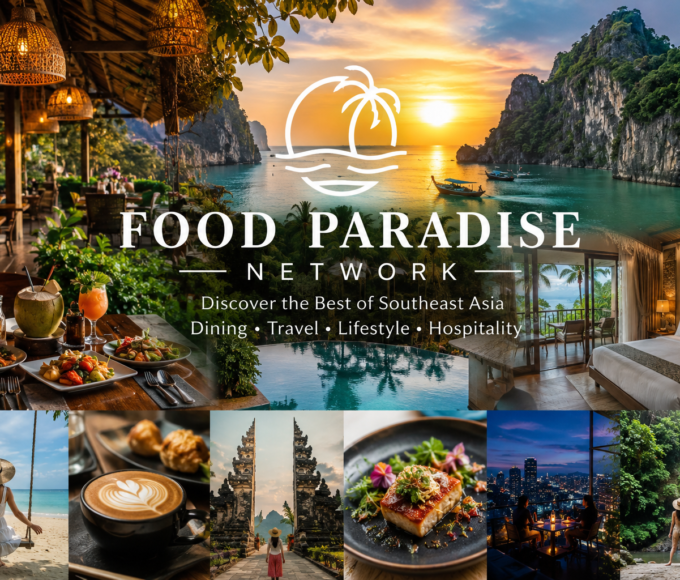
For global readers of FoodParadise.Network, Hong Kong stands as a timeless example of how cuisine can express identity while constantly evolving. Its influence ripples through kitchens, cafés, and culinary studios across the region — shaping how chefs in Bali, Bangkok, or Seoul think about creativity and purpose. The next wave of restaurant trends in Asia will likely carry this same DNA: the courage to blend culture with innovation, and the passion to turn every meal into a story worth remembering.
Hong Kong doesn’t just feed you — it teaches you how to feel through flavor. And that is why, decades from now, its culinary heartbeat will still echo across continents, inspiring chefs and travelers who believe that the most powerful stories are the ones you can taste.

Leave a comment